Victor H. Mair
昔者莊周夢為胡蝶,栩栩然胡蝶也,自喻適志與,不知周也。俄然覺,則蘧蘧然周也。不知周之夢為胡蝶與,胡蝶之夢為周與?
“Once, Zhuang Zhou dreamed he was a butterfly, fluttering and content, and knew nothing of Zhou. Then he woke — and did not know whether he was Zhou who had dreamed he was a butterfly, or a butterfly now dreaming it was Zhou.”
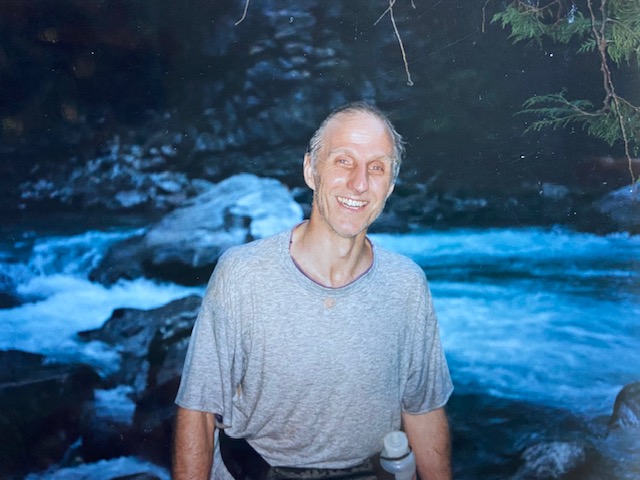
An obituary in The Swarthmorean will be linked here when the paper provides it.
“We had a good run as brothers.”
“From a young age I admired my brother, since he was on the All-Ohio High School Basketball Team and won a basketball scholarship to Dartmouth.”
“I admired his ambitious runs, which he would break into daily segments during his ‘running vacations,’ including a cross-continental run along Old Route 30. These runs continued into his Eighties.”
Stories and photographs from his early life are being gathered.
“Victor now rejoins his beloved wife, Li-ching Chang (1936–2010).”
“Victor was a family-oriented person… During those visits, he and I read and discussed passages of the Book of Changes, sometimes under my sister's apple tree.”
“Never had I dreamed of reading for a PhD in anything Asian.”
“…during his years sending precious letters from a remote Nepalese village as a Peace Corps Volunteer.”
He told the story of what followed himself, on Language Log, in 2022. It is reprinted below in full.
“Mr. Mair, we would like to award you a Woodrow Wilson fellowship, but would you please consider doing it in Asian Studies?”
I promised that I would tell the story of how five old, white men persuaded me to begin the study of Asian languages two years after I was out of college. Here it is.
When I graduated from Dartmouth in 1965, I joined the Peace Corps for two years in Nepal. Although I contracted fifteen diseases, some quite serious, lost fifty pounds, and had three nearly deadly trail accidents, the experience was transformative.
I was an English major in college and wrote an undergraduate thesis on Chaucer's “Troilus and Criseyde”. At the end of my Peace Corps service, I still wanted to study for a PhD on Chaucer. So, among other applications to graduate school and for funding, I applied for a Woodrow Wilson fellowship. In those days (1967), that was a very prestigious prize.
Because I had applied outside the regular cycle of the selection process, the Woodrow Wilson Foundation set up a special interview for me at their headquarters in Princeton, NJ. I entered the room and found myself facing, yes, five old, white men. I think they all had white hair. They were professors of European and American history, literature, and philosophy — all humanists.
I began by launching into a monologue about how much I loved Chaucer and why I wanted to pursue a PhD focusing on him and his works. After I had been speaking for about 5-10 minutes, they interrupted me and said, “Mr. Mair, please tell us what you learned in Nepal.”
Somewhat taken aback, I began to tell them about Buddhism, Hinduism, shamanism, Hermann Hesse and his Siddhartha, Nepali language and Sanskrit, Indian art, and so on and so forth. They were fascinated, captivated by all that I was saying.
After about an hour, they said, “Mr. Mair, please wait outside while we deliberate for a few moments.” I waited for about five minutes, then they called me back and announced, “Mr. Mair, we would like to award you a Woodrow Wilson fellowship, but would you please consider doing it in Asian Studies?”
I was dumbfounded. Never had I dreamed of reading for a PhD in anything Asian. Of course, I was honored that they deemed me worthy of a Woodrow Wilson fellowship, but the proposal to do it in Asian Studies came so suddenly and unexpectedly that I said to the five old, white men, “Please give me a couple of weeks to think it over.”
So I went to my home in Ohio, where I hadn't been for two years, and I asked around among friends and teachers how I should respond. They all encouraged me to accept the fellowship and concentrate on Buddhism. In those days, the University of Washington (Seattle) had the best program of Buddhist Studies, so that is where I decided to go.
It was all thanks to those five old, white men.
“This unique scroll holds the key to unlocking the relationship between pictorial and textual narrative.”
“The picture scroll depicting the contest of magical conjurations between Śāriputra and the Six Heretics is my favourite of all objects from Dunhuang for many reasons. The most immediate reason is simply its innate charm.”
“…his pioneering work on Dunhuang, vernacular literature, Buddhism, historical linguistics, and the extraordinary range of subjects that made him one of the most distinctive voices in modern Sinology.”
Degrees
學歷“That very afternoon, I became an archaeologist.”
“I looked at the mummies and said, ‘Oh, this is a hoax.’ They looked like something out of Madame Tussauds Wax Museum — they're too well preserved.”
“Those Xinjiang mummies — nobody was working on them; nobody even knew about them. I said to myself, ‘They're every bit as important as he is.’”
The work produced three television documentaries, a major international conference, many articles, and The Tarim Mummies (2000), written with the archaeologist J. P. Mallory. In 2010 he consulted on the Penn Museum's landmark exhibition Secrets of the Silk Road.
“The most linguistically diverse library in the ancient world has survived in the drying sands of the Tarim Basin.”
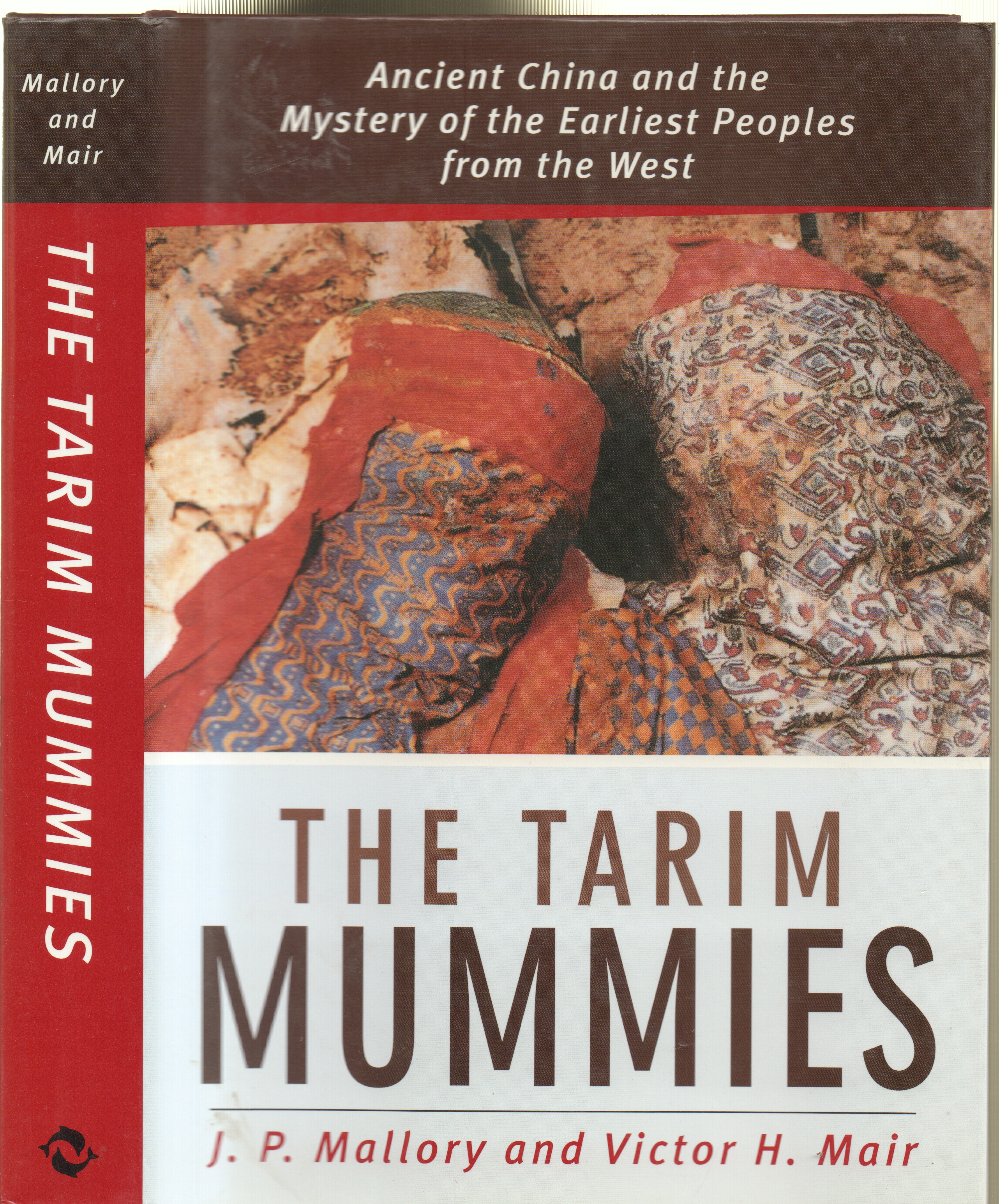
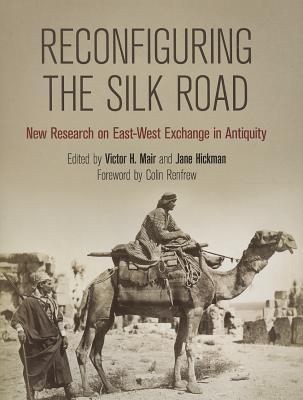
The mummies & the Silk Road Symposium
絲路“The Classic Book of Integrity and the Way”
“His impact on me and on Pinyin.info is incalculable.”
A shelf
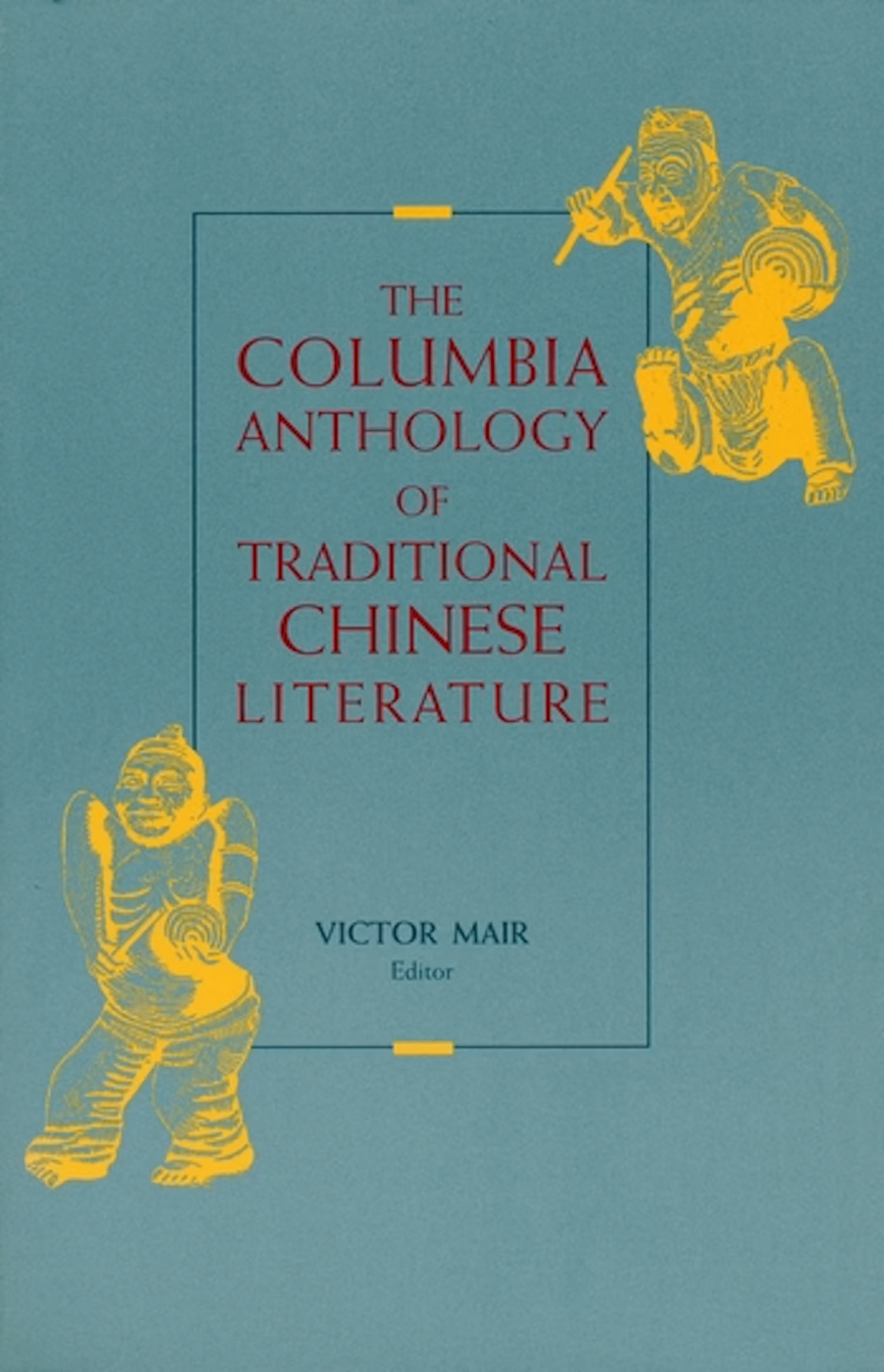
著作Every chapter on this site borrows its colours from one of these jackets.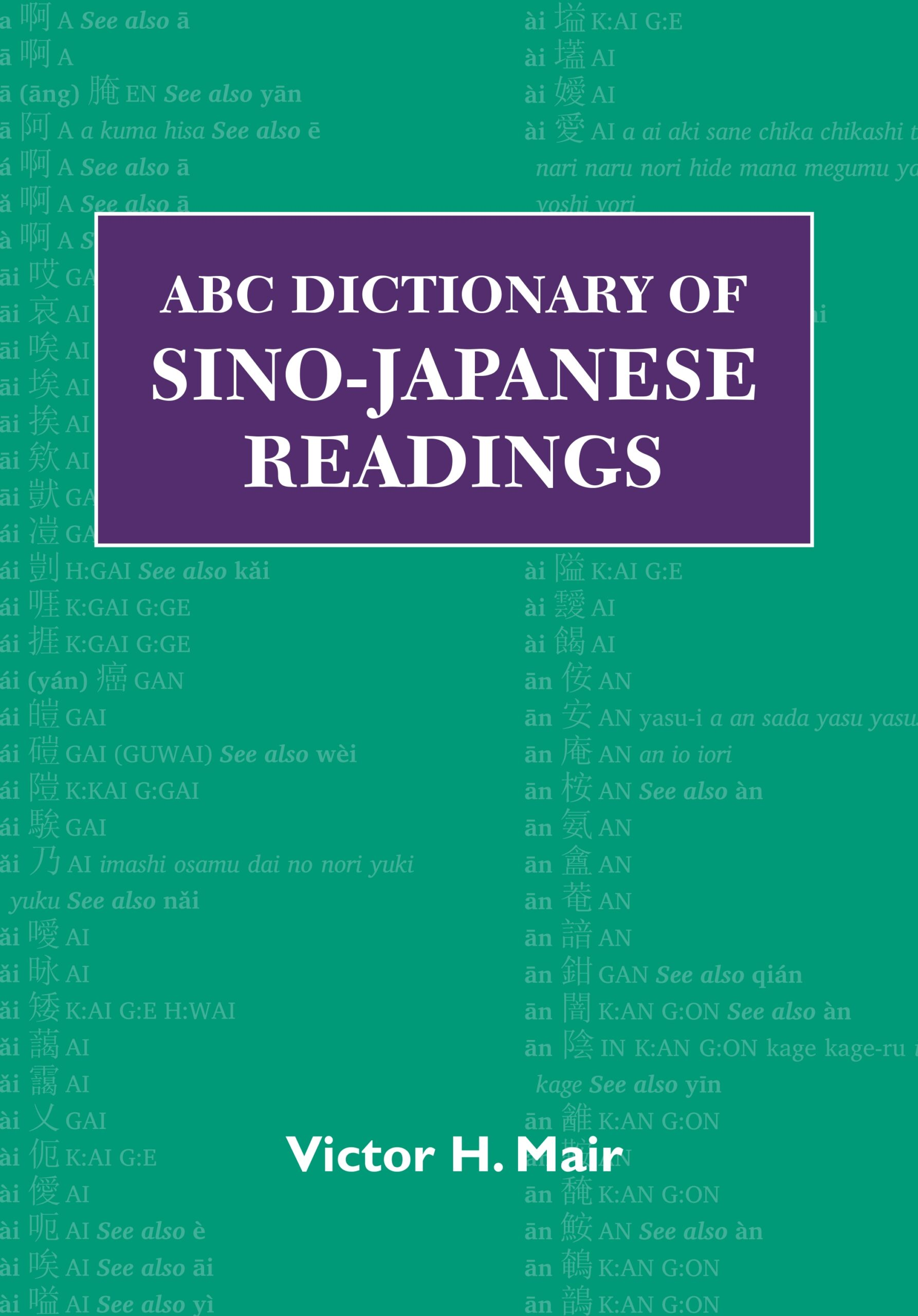
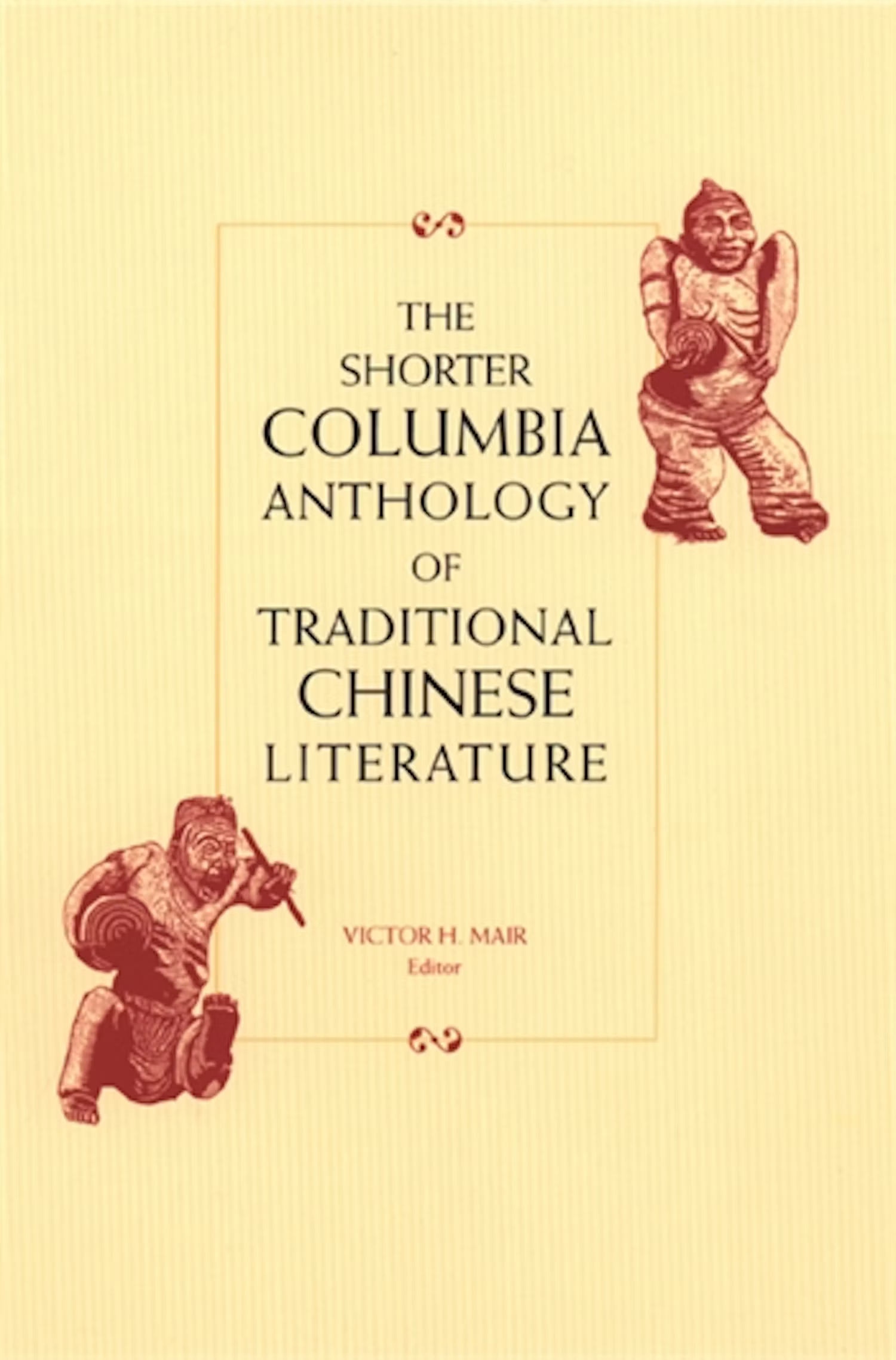
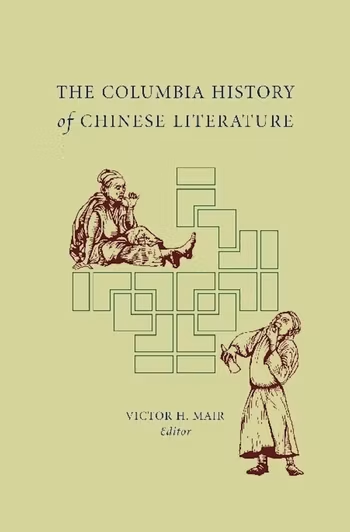
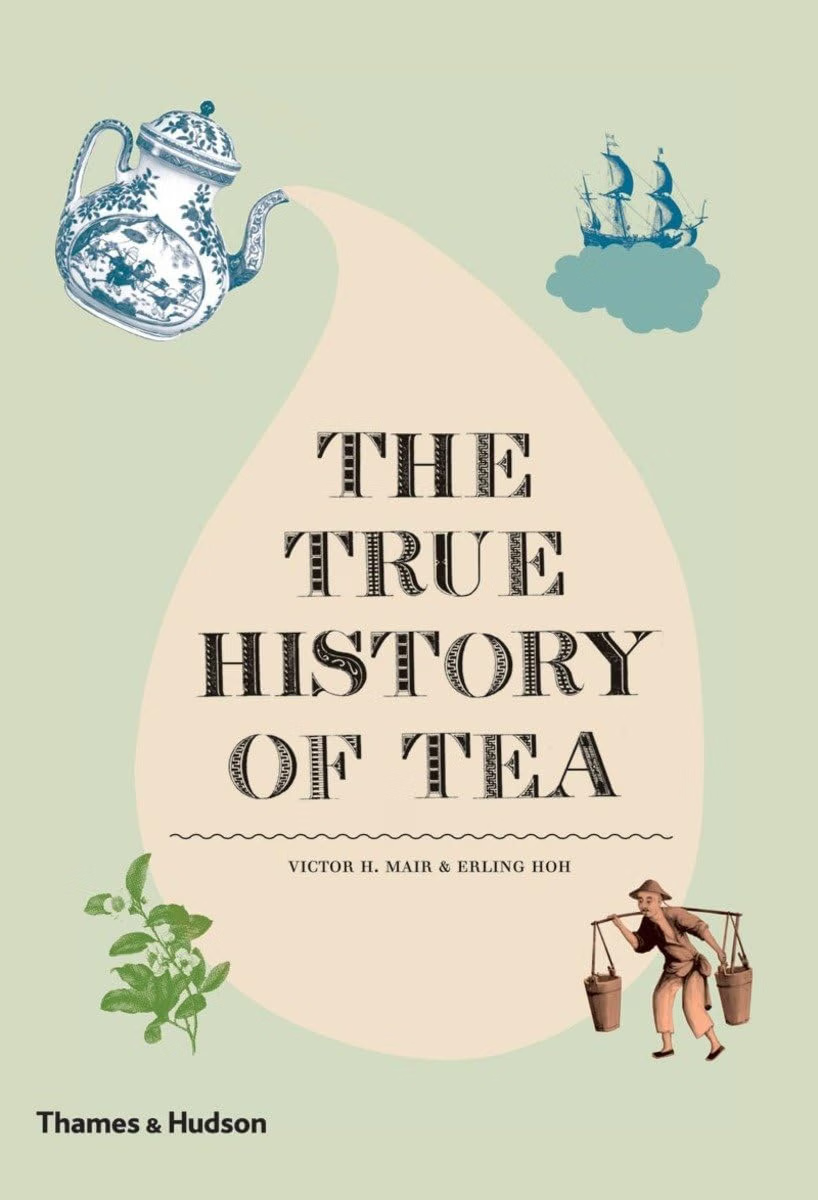
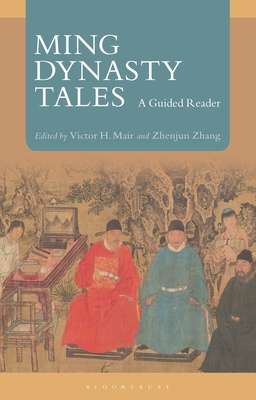
Selected books
書目A partial list; he wrote, edited or translated dozens of volumes. Of them all, The True History of Tea found the widest readership.
Editorships
編務He also evaluated manuscripts for half a dozen presses and as many scholarly journals, and reviewed books for half a dozen more.
For close to two decades he was among the most prolific voices on Language Log, the linguistics blog hosted at Penn — writing on Sinitic languages and scripts, romanization, translation, and the daily strangeness of signage, and answering his commenters himself, at length, for years.
Language Log — “Victor Mair RIP” ↗“I am astonished to learn that he was mortal. It didn't seem the way to bet.”
“He was teaching without ever appearing to teach.”
“When he smiled, his eyes would narrow into gentle crescents, carrying a warmth that immediately dissolved any sense of hierarchy.”
“He possessed that rare gift of making scholarship feel less like the accumulation of knowledge than an extension of everyday wonder.”
Positions
職務Lectures on film
影音


“Victor Mair passed away peacefully on Sunday, June 28, 2026, surrounded by family and friends.”
“During his last two days on this earth, he was joined by Brother One (Joe) and Brother Two (Dave), and they held his hand most of Sunday before the end.”
“He had been planning a long hike through the mountains from Zweisimmen, Switzerland… to Pfaffenhoffen, Austria… I had a dream of going with him, and now I hope to make the walk myself in his honor.”
Tributes
追悼中文報導
In ChineseReference
參考Every quotation on this page is sourced and linked where it appears. His own words come from Language Log (2022), the International Dunhuang Programme (2013), The Pennsylvania Gazette (2011) and Omnia; words about him from his brother Denis Mair and Carlos Yu-Kai Lin at MCLC (July–August 2026) and Pinyin News (July 2026). Dates and titles are from the Penn Almanac notice and his Wikipedia entry. Chapter palettes are sampled from his own book jackets. Corrections are welcome.
The snail — “Victor Mair's personal symbol of dedicated progress.”
Omnia: Windows on Asia — Penn Arts & Sciences ↗“I was traveling through Europe teaching, but I also went to my mom's ancestral village in the Swiss Alps for the first time. I was wandering around the churchyard and I found this beautiful snail crawling around. Symbolically, they mean a lot to me. It takes determination for a snail to get across a gap.”